
Is Root Canal Treatment Painful? Facts You Should Know
Introduction
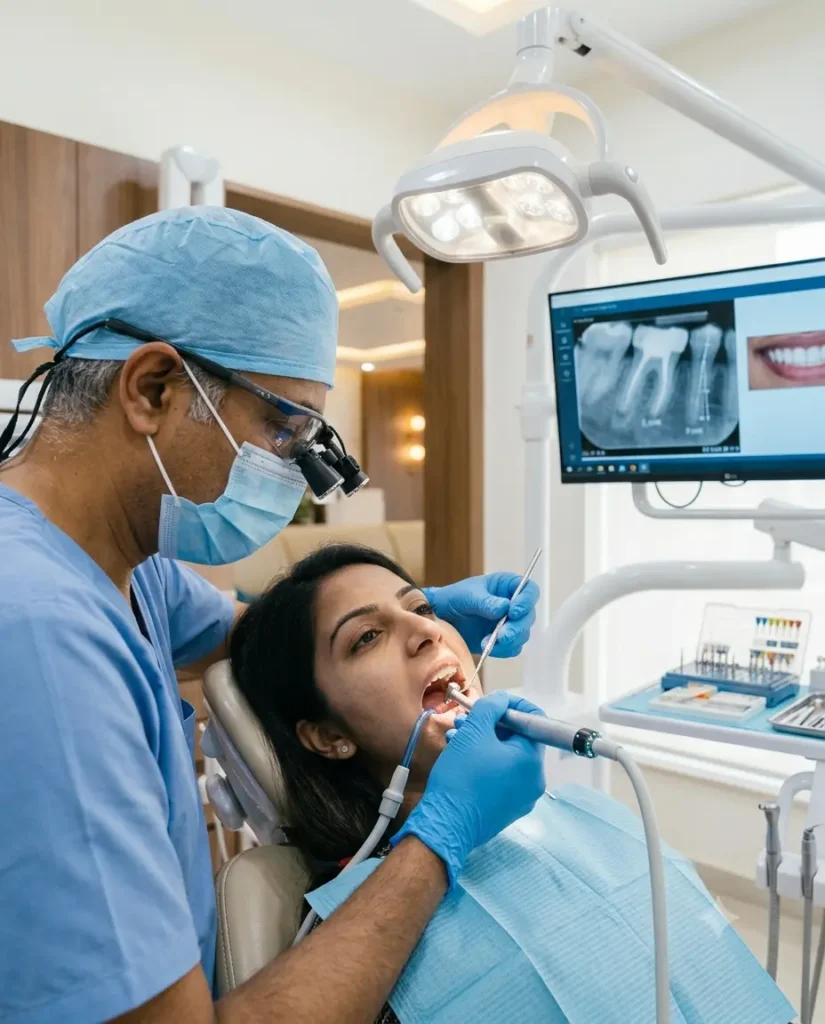
Many people postpone dental treatment because they fear pain, especially when their dentist recommends a root canal treatment. One of the most common questions patients ask is, “Is root canal treatment painful?” In reality, modern dental technology and local anesthesia have made the procedure much more comfortable than many people expect.
If you are experiencing severe tooth pain, prolonged sensitivity, swelling, or an infected tooth, delaying treatment can worsen the condition and may even lead to tooth loss. Understanding the facts about root canal treatment pain helps you make informed decisions and reduces unnecessary anxiety.
At Dew Clinic Chennai, our experienced dental specialists provide advanced, patient-focused care using modern techniques designed to keep you comfortable throughout the procedure.
What Is Root Canal Treatment?
Root canal treatment, also known as endodontic treatment, is a dental procedure that removes infected or damaged tissue from inside the tooth. The infected pulp contains nerves and blood vessels that become inflamed due to deep decay, cracks, repeated dental procedures, or trauma.
Once the infected tissue is removed, the canals are carefully cleaned, disinfected, filled, and sealed to preserve the natural tooth.
Instead of removing the entire tooth, root canal therapy helps save it while restoring normal chewing function.
Why Do People Think Root Canal Treatment Is Painful?
The fear usually comes from outdated experiences or stories shared by others.
Years ago, dental procedures were less comfortable because anesthesia and equipment were not as advanced as they are today.
Today, patients often discover that the pain they experienced before treatment—caused by infection—is much worse than the treatment itself.
Common reasons people fear root canals include:
- Fear of dental injections
- Previous painful tooth infections
- Anxiety from hearing others’ experiences
- Lack of understanding of the procedure
- Delaying treatment until the infection becomes severe
With proper anesthesia and modern equipment, dentists can perform the procedure with minimal discomfort.
What Causes Root Canal Pain Before Treatment?
The pain usually comes from the infected tooth—not the procedure itself.
Common causes include:
Deep Tooth Decay
Untreated cavities allow bacteria to reach the tooth pulp, causing inflammation and severe pain.
Tooth Nerve Infection
An infected nerve can create constant throbbing pain that worsens while eating or drinking.
Dental Trauma
A cracked or fractured tooth allows bacteria to enter the pulp chamber.
Severe Tooth Sensitivity
Persistent sensitivity to hot or cold foods may indicate pulp damage.
Dental Abscess
An untreated infection may spread beyond the tooth and cause swelling, pus formation, and intense pain.
Does Root Canal Treatment Hurt During the Procedure?
For most patients, the answer is no.
Before beginning treatment, your dentist administers local anesthesia to numb the tooth and surrounding tissues.
During treatment, you may notice:
- Slight pressure
- Mild vibration from dental instruments
- Water spray used during cleaning
You should not experience sharp pain during the procedure.
If discomfort occurs, your dentist can administer additional anesthesia to improve comfort.
Modern painless root canal treatment focuses on reducing anxiety and providing a comfortable patient experience.
What Happens During a Root Canal Procedure?
Understanding the process often helps reduce fear.
Step 1: Examination
The dentist evaluates the affected tooth using clinical examination and dental X-rays.
Step 2: Local Anesthesia
The tooth is completely numbed before treatment begins.
Step 3: Isolation
A dental rubber dam keeps the treatment area clean and dry.
Step 4: Cleaning the Root Canals
The infected pulp is carefully removed, and the canals are disinfected.
Step 5: Filling the Canals
The cleaned canals are filled using a special biocompatible material.
Step 6: Tooth Restoration
Depending on the tooth condition, a permanent filling or dental crown may be recommended for long-term protection.
This structured process helps eliminate infection while preserving your natural tooth.
How Long Does Root Canal Treatment Take?
Many patients ask about the root canal treatment duration before scheduling their appointment.
Treatment usually depends on:
- Number of infected canals
- Severity of infection
- Tooth location
- Whether additional procedures are required
Most treatments are completed in one or two visits, although complex cases may require additional appointments.
What Can You Expect After Root Canal Treatment?
It is normal to experience mild discomfort or tenderness after a root canal treatment. This usually happens because the tissues around the treated tooth need time to heal. Most patients can return to their normal routine the very next day.
Common symptoms after treatment may include:
- Mild soreness when chewing
- Temporary tooth sensitivity
- Slight tenderness around the gums
- Minor swelling in some cases
Your dentist may recommend pain-relieving medication if necessary. Following the aftercare instructions carefully helps speed up recovery and minimizes discomfort.
Who Should Consider Root Canal Treatment?
Root canal treatment may be recommended if you experience:
- Persistent tooth pain
- Severe sensitivity to hot or cold foods
- Swollen or tender gums
- A cracked or broken tooth exposing the nerve
- Pain while chewing
- Deep cavities affecting the tooth pulp
- Tooth discoloration caused by nerve damage
- Repeated infections in the same tooth
If you notice any of these symptoms, consult an experienced dentist as early treatment can help save your natural tooth.
Benefits of Root Canal Treatment
Root canal treatment offers several long-term benefits when performed at the right time.
Saves Your Natural Tooth
Instead of extracting the tooth, the treatment preserves your natural smile and bite.
Relieves Severe Pain
Removing the infected pulp eliminates the source of pain and inflammation.
Prevents Infection from Spreading
Treating the infection early reduces the risk of bacteria spreading to nearby teeth or surrounding bone.
Restores Normal Chewing Function
Once restored with a filling or crown, the treated tooth can function normally for many years.
Improves Oral Health
Removing infection helps protect your overall oral health and reduces future dental complications.
Tips Before Undergoing Root Canal Treatment
Preparing for your appointment can make the experience smoother.
- Eat a light meal before the procedure unless advised otherwise.
- Continue taking prescribed medications unless your dentist recommends changes.
- Inform your dentist about allergies or medical conditions.
- Brush and floss your teeth before the appointment.
- Avoid delaying treatment once an infection has been diagnosed.
- Follow all instructions provided by your dental team.
Being well-prepared helps make your treatment more comfortable.
Mistakes to Avoid After Root Canal Treatment
Proper aftercare plays an important role in successful healing.
Avoid these common mistakes:
- Chewing hard foods immediately after treatment
- Ignoring persistent swelling or severe pain
- Skipping follow-up appointments
- Not getting the recommended dental crown if advised
- Smoking during the healing period
- Neglecting oral hygiene
Good oral care and regular dental visits help protect the treated tooth for years.
Why Choose Dew Clinic Chennai for Root Canal Treatment?
Choosing an experienced dental clinic makes a significant difference in your treatment experience.
At Dew Clinic Chennai, we focus on providing comfortable, patient-centered dental care using modern techniques and advanced diagnostic technology.
Why patients choose us:
- Experienced dentists with expertise in root canal treatment
- Modern equipment for accurate diagnosis
- Comfortable and hygienic treatment environment
- Personalized treatment plans
- Comprehensive dental care under one roof
- Convenient location in Valasaravakkam, Chennai
- Transparent consultation and treatment guidance
Whether you need a simple consultation or advanced dental care, our team is committed to helping you preserve your natural teeth and maintain a healthy smile.
Conclusion
Many people fear root canal treatment because of outdated myths, but modern dentistry has transformed the experience. In most cases, root canal treatment pain is minimal, and the procedure is designed to eliminate the pain caused by an infected tooth—not create more discomfort.
If you are experiencing tooth pain, prolonged sensitivity, or signs of infection, don’t wait until the condition becomes worse. Early diagnosis and treatment can help save your natural tooth and protect your oral health.
At Dew Clinic Chennai, our experienced dental team provides advanced, comfortable, and patient-focused root canal treatment tailored to your individual needs. Schedule your consultation today and take the first step toward a healthier, pain-free smile.
Frequently Asked Questions
1. Is root canal treatment painful?
Porcelain veneers are thin ceramic shells placed over the front surface of teeth to improve their appearance.
2. How long does a root canal treatment take?
With proper oral care and regular dental check-ups, porcelain veneers can last for many years.
3. Can I eat after a root canal treatment?
The procedure is generally comfortable, and local anaesthesia may be used when necessary.
4. Do I need a crown after root canal treatment?
Yes. Veneers can improve the appearance of stained teeth that may not respond to traditional whitening treatments.
5. Where can I get painless root canal treatment in Chennai?
People with healthy teeth and gums who want to improve chipped, stained, uneven, or slightly gapped teeth may be suitable candidates after a dental consultation.