
Pigmentation Treatment: Causes and Advanced Treatment Options

Introduction
Skin pigmentation is one of the most common skin concerns affecting both men and women today. Many people notice dark patches, uneven skin tone, or stubborn spots that do not fade even after using creams or home remedies. This condition not only affects appearance but also confidence.
Pigmentation occurs when melanin, the natural color pigment of skin, is produced unevenly. While mild pigmentation may fade naturally, moderate to severe cases require professional pigmentation treatment in Chennai at Dew Clinic Chennai under a qualified dermatologist.
In this article, we will clearly explain:
- Why pigmentation happens
- Different types of pigmentation
- Modern dermatology treatments available today
- How to permanently control pigmentation
What is Skin Pigmentation?
Pigmentation refers to discoloration or darkening of certain areas of the skin. It appears as:
- Brown patches
- Dark spots
- Freckles
- Uneven skin tone
The most common medical term for this condition is hyperpigmentation.
Melanin is produced by melanocyte cells in the skin. When these cells become overactive, they create excess pigment, leading to visible patches on the face, neck, hands, and sometimes the body.
Main Causes of Pigmentation
1. Sun Exposure (Most Common Cause)
UV rays stimulate melanin production. In a hot climate like Chennai, daily sun exposure without sunscreen is the biggest reason for pigmentation.
2. Hormonal Changes (Melasma)
Hormonal imbalance during:
- Pregnancy
- PCOS
- Thyroid problems
- Birth control pills
can lead to melasma, a stubborn type of pigmentation usually seen on cheeks and forehead.
3. Acne Marks
After pimples heal, they leave dark spots known as post inflammatory hyperpigmentation. Improper pimple squeezing worsens it.
4. Aging
As skin ages, melanin distribution becomes irregular leading to age spots and dull skin.
5. Cosmetic or Chemical Damage
Using harsh fairness creams, steroid creams, or unverified beauty treatments can damage the skin barrier and cause long term pigmentation.
Types of Pigmentation
Understanding the type is important because each type needs a different treatment.
- Melasma Large brown patches on cheeks and forehead
- Sunspots Small dark spots caused by UV damage
- Post acne pigmentation Dark marks after pimples
- Freckles Genetic and sun triggered spots
Advanced Pigmentation Treatment Options
1. Chemical Peels
Chemical peeling removes the damaged outer layer of skin and promotes fresh skin regeneration.
Benefits
- Reduces dark spots
- Improves skin tone
- Controls acne pigmentation
- Brightens complexion
It is one of the safest first line treatments for mild pigmentation.
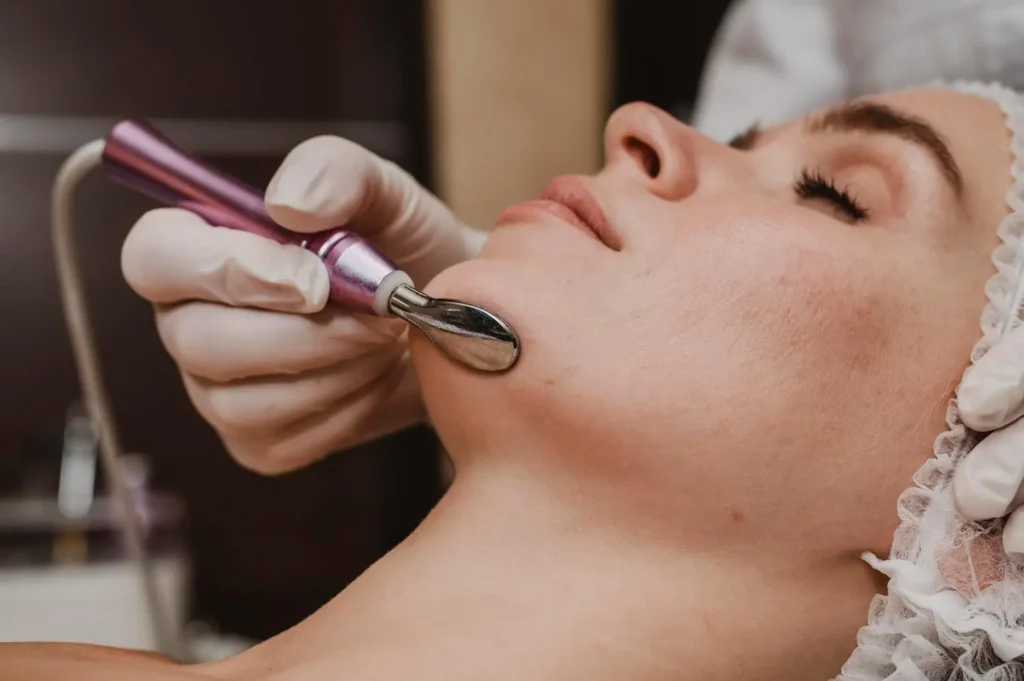
2. Laser Treatment for Pigmentation
Laser is the most advanced hyperpigmentation treatment available today.
Laser works by:
- Breaking excess melanin deposits
- Stimulating collagen
- Improving skin clarity
It is highly effective for:
- Melasma
- Deep pigmentation
- Stubborn sunspots
You can learn more about how lasers are selected based on skin type.
3. Medical Skin Care (Dermatology Prescription)
Dermatologists prescribe medical creams containing:
- Retinoids
- Kojic acid
- Azelaic acid
- Vitamin C
These control melanin production and prevent recurrence.
Important: Self medication or pharmacy creams often worsen pigmentation.
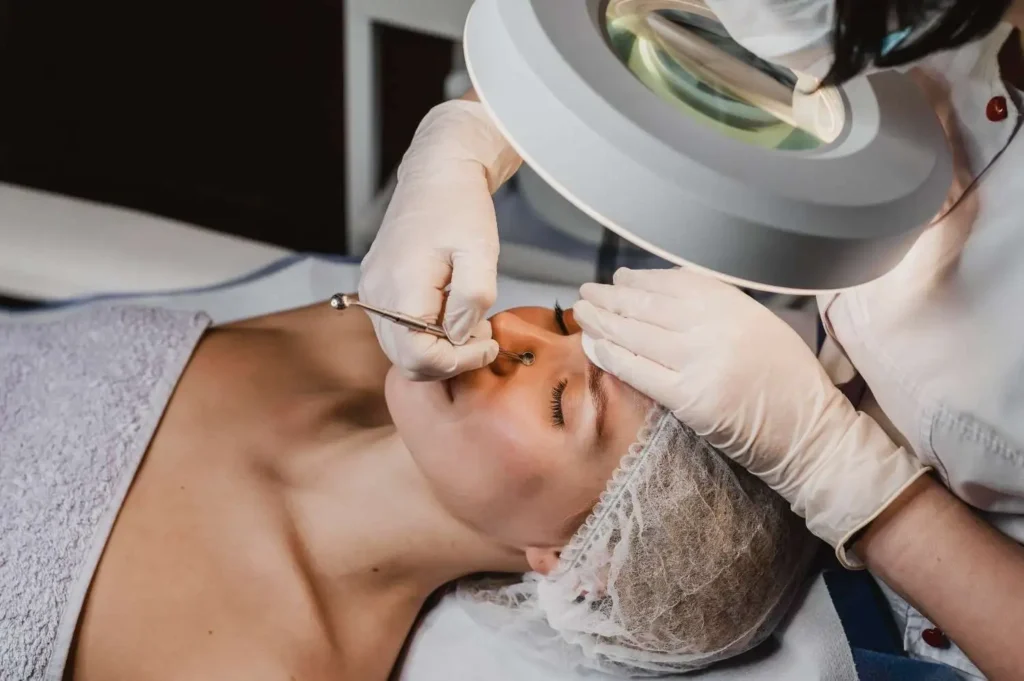
4. Advanced Facials and Skin Boosters
Modern clinics use dermatologist grade procedures such as:
- Carbon facials
- Skin boosters
- Medical hydrafacials
They improve glow while gradually reducing pigmentation.
How Long Does Pigmentation Treatment Take?
This is one of the most searched patient questions.
Mild pigmentation: 3 to 6 weeks
Moderate pigmentation: 2 to 3 months
Melasma: 3 to 6 months with maintenance care
Pigmentation cannot be removed in a single sitting because melanin lies in different skin layers. Gradual treatment gives safe and permanent improvement.
Prevention Tips:
Even after treatment, prevention decides long term success.
Follow these strictly:
- Apply sunscreen SPF 50 every 3 hours
- Avoid direct sunlight 10 AM to 4 PM
- Never pick acne
- Avoid steroid fairness creams
- Maintain hydration
- Use dermatologist recommended skincare
When Should You See a Doctor?
Consult a dermatologist if you notice:
- Sudden dark patches
- Pigmentation increasing rapidly
- Spots after acne
- Pigmentation not responding to creams
Many people ignore pigmentation initially, but early treatment prevents deeper melanin deposits.
Interestingly, oral health infections can also influence facial inflammation and skin healing response. Understanding dental health myths is useful for overall wellness.
Why Professional Treatment is Important
Home remedies like lemon, baking soda, or toothpaste damage the skin barrier. These methods often worsen pigmentation and make treatment longer.
A qualified skin clinic evaluates:
- Skin type
- Pigment depth
- Cause of pigmentation
Then only a customized treatment plan is created.
Conclusion
Pigmentation is not just a cosmetic issue. It is a medical skin condition that requires proper diagnosis and treatment. With modern dermatology procedures such as chemical peels, medical skincare, and laser therapy, pigmentation can be safely controlled and significantly reduced.
The key is early consultation and consistent maintenance. Avoid experimenting with over the counter creams and instead choose professional care for long term skin health and confidence.
If you are struggling with dark spots, melasma, or uneven skin tone, professional skin pigmentation treatment in Chennai can help you regain clear, healthy, and glowing skin.
Frequently Asked Questions
1. What is the best treatment for pigmentation?
The best treatment for pigmentation depends on the depth and cause of the dark patches. Mild pigmentation can improve with medical creams and chemical peels, while deeper pigmentation and melasma require laser treatment combined with dermatologist prescribed skincare. A proper skin analysis by a dermatologist gives the most effective treatment plan.
2. Is pigmentation treatment permanent?
Pigmentation can be significantly reduced and controlled, but it may return if proper care is not followed. Regular sunscreen use, maintenance creams, and periodic doctor follow ups help maintain long term results and prevent recurrence.
3. How many sessions are required for pigmentation treatment?
The number of sessions varies based on the severity:
- Mild pigmentation: 2 to 3 sessions
- Moderate pigmentation: 4 to 6 sessions
- Melasma or deep pigmentation: 6 to 8 sessions with maintenance
Your dermatologist will decide the exact number after examining your skin.
4. Does laser remove pigmentation completely?
Laser treatment breaks excess melanin deposits and lightens dark patches effectively. Most patients see visible improvement after a few sessions. However, melasma requires maintenance care because it is a hormonal condition.
5. Is pigmentation treatment painful?
No. Most pigmentation treatments such as chemical peels and laser procedures cause only mild tingling or warmth. The procedures are safe and comfortable when done by a qualified skin specialist.
6. How long does pigmentation treatment take to show results?
Initial improvement can be seen within 2 to 4 weeks. Significant results usually appear within 2 to 3 months depending on skin type and severity of pigmentation.
7. Can sunscreen alone remove pigmentation?
No. Sunscreen prevents pigmentation from worsening but does not remove existing dark patches. Professional treatment is required to remove pigment, and sunscreen helps maintain the results.
8. Which is better: chemical peel or laser for pigmentation?
Chemical peels are best for mild pigmentation and acne marks. Laser treatment is more effective for deeper pigmentation, sun damage, and melasma. Many patients benefit from a combination of both treatments.
9. What causes pigmentation on the face?
Common causes include sun exposure, hormonal imbalance, acne marks, aging, PCOS, pregnancy, and using steroid based creams. Chennai weather and UV exposure make sun damage the most frequent cause.
10. When should I visit a dermatologist for pigmentation?
You should consult a dermatologist if dark patches are increasing, not fading with creams, appearing suddenly, or returning repeatedly. Early treatment prevents deeper pigmentation and reduces treatment time.