Difference Between Laser Treatment and Chemical Peel
Introduction
When it comes to improving skin texture, reducing pigmentation, treating acne scars, and achieving youthful glowing skin, two popular treatments stand out — laser treatment and chemical peel. Many people often get confused about which treatment is better for their skin concerns.
Both procedures help rejuvenate the skin, but they work differently and are suitable for different skin types and conditions. Understanding the difference between laser treatment and chemical peel can help you choose the right treatment for healthier and brighter skin.
At Dew Clinic Chennai, advanced skin treatments are customized based on individual skin concerns, skin tone, and treatment goals.
What is Laser Treatment?
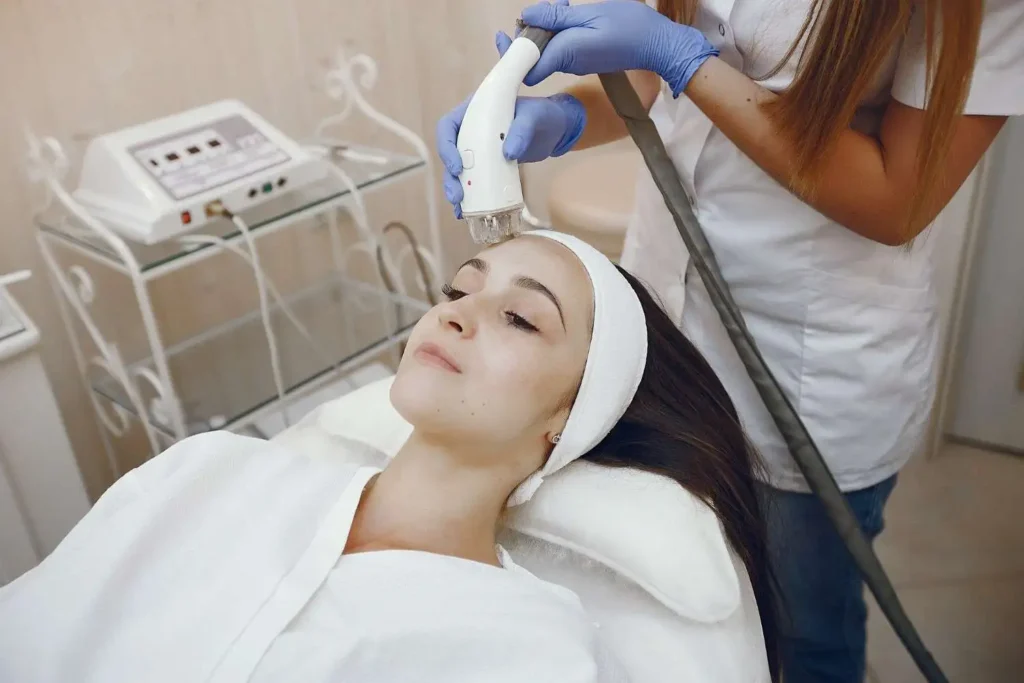
Laser treatment is an advanced dermatological procedure that uses focused beams of light to target specific skin concerns. The laser penetrates deep into the skin layers and stimulates collagen production while removing damaged skin cells.
Laser treatments are commonly used for:
- Acne scars
- Pigmentation
- Wrinkles and fine lines
- Uneven skin tone
- Sun damage
- Open pores
- Skin tightening
- Tattoo removal
One of the most popular procedures is Laser Skin Resurfacing Treatment, which improves overall skin texture and promotes smoother skin.
Modern dermatology clinics also offer Advanced Laser Treatment in Chennai for long-lasting and precise skin correction. Laser procedures stimulate collagen remodeling and skin regeneration.
What is a Chemical Peel?
A chemical peel is a skin resurfacing procedure where a chemical solution is applied to the skin to exfoliate dead skin cells and remove damaged outer layers of skin.
Chemical peels can be:
- Superficial peels
- Medium-depth peels
- Deep peels
They commonly contain acids such as:
- Glycolic acid
- Salicylic acid
- Lactic acid
- TCA (Trichloroacetic acid)
Chemical peels are highly effective for:
- Acne and acne marks
- Dull skin
- Mild pigmentation
- Uneven skin tone
- Fine lines
- Tanning
- Skin brightening
You can learn more about the procedure here: Chemical Peel Treatment Benefits, Procedure and Side Effects
Chemical peels work by removing the outer skin layers and revealing smoother and fresher skin underneath.
Laser Treatment vs Chemical Peel
1. Working Method
Laser Treatment
Laser uses concentrated light energy to penetrate deeper layers of skin and stimulate collagen production.
Chemical Peel
Chemical peels exfoliate the top layer of skin using acids to improve skin texture and tone.
2. Best For
Laser Treatment is Best For:
- Deep acne scars
- Severe pigmentation
- Wrinkles
- Skin tightening
- Sun damage
- Advanced skin rejuvenation
Chemical Peel is Best For:
- Mild acne scars
- Dull skin
- Tanning
- Uneven skin tone
- Mild pigmentation
- Skin glow
3. Depth of Treatment
Laser Treatment
Works deeper within the skin and targets underlying skin damage.
Chemical Peel
Mostly works on the surface or upper layers of the skin.
4. Downtime and Recovery
Laser Treatment
- Recovery may take 5–14 days depending on laser intensity.
- Temporary redness and peeling are common.
Chemical Peel
- Mild peels may need only 1–3 days recovery.
- Deep peels may take longer.
Deeper peels and stronger lasers generally require more recovery time.
5. Pain Level
Laser Treatment
Can cause mild discomfort or a burning sensation during the procedure.
Chemical Peel
Usually causes tingling or slight stinging sensation.
6. Results
Laser Treatment
Provides dramatic and long-term improvement, especially for scars and aging signs.
Chemical Peel
Offers gradual improvement with brighter and smoother skin after multiple sessions.
7. Cost
Laser Treatment
Generally more expensive because of advanced technology and deeper skin correction.
Chemical Peel
More affordable and suitable for regular skin maintenance.
Which Treatment is Better?
There is no one-size-fits-all answer. The best treatment depends on:
- Skin type
- Skin sensitivity
- Acne severity
- Pigmentation level
- Desired results
- Downtime preference
Choose Laser Treatment if you have:
- Deep acne scars
- Severe pigmentation
- Wrinkles
- Loose skin
- Long-term skin concerns
Choose Chemical Peel if you want:
- Instant glow
- Mild exfoliation
- Acne control
- Skin brightening
- Budget-friendly skin rejuvenation
A professional dermatologist can analyze your skin and suggest the right procedure based on your skin condition.
Can Laser Treatment and Chemical Peel Be Combined?
Yes. In many cases, dermatologists combine both treatments for enhanced results.
For example:
- Chemical peels can prepare the skin before laser sessions.
- Lasers can target deeper skin damage after peel treatments.
Combination therapy often delivers better results for:
- Acne scars
- Hyperpigmentation
- Uneven texture
- Skin rejuvenation
However, treatments should always be performed under expert supervision to avoid irritation or skin damage.
Side Effects of Laser Treatment and Chemical Peel
Common Side Effects of Laser Treatment
- Redness
- Swelling
- Peeling
- Temporary sensitivity
Common Side Effects of Chemical Peel
- Dryness
- Peeling
- Mild redness
- Temporary irritation
Improper procedures or incorrect skin assessment may increase the risk of pigmentation and scarring.
Tips After Skin Treatment
After undergoing laser treatment or chemical peel:
- Use sunscreen daily
- Avoid direct sun exposure
- Follow dermatologist instructions
- Avoid harsh skincare products
- Keep skin moisturized
- Do not peel flaky skin manually
Proper aftercare is essential for better healing and long-lasting results.
Why Choose Dew Clinic Chennai?
Dew Clinic Chennai offers advanced dermatology and aesthetic treatments tailored to individual skin concerns.
Benefits include:
- Experienced skin specialists
- Advanced laser technologies
- Personalized skincare plans
- Safe and hygienic procedures
- Modern skin rejuvenation treatments
Whether you need acne scar correction, pigmentation treatment, or skin glow therapy, expert dermatologists can guide you toward the best solution.
Conclusion
Understanding the difference between laser treatment and chemical peel helps you make informed decisions about your skincare journey. Laser treatments are ideal for deeper skin correction and long-term rejuvenation, while chemical peels are excellent for exfoliation, skin glow, and mild skin concerns.
Choosing the right procedure depends on your skin type, concerns, and desired outcomes. Consulting a professional skin specialist is the safest way to determine the most effective treatment for your skin.
For advanced skincare solutions and personalized treatment plans, consult the experts at Dew Clinic Chennai.
Frequently Asked Questions
1. Which is better: laser treatment or chemical peel?
Both treatments are effective. Laser treatment is better for deep scars and pigmentation, while chemical peels are ideal for skin glow and mild acne marks.
2. Is laser treatment painful?
Laser treatment may cause mild discomfort, but numbing creams are usually applied to reduce pain.
3. How many sessions are needed for chemical peels?
Most people require 4–6 sessions depending on their skin concern and peel type.
4. Can chemical peels remove acne scars?
Chemical peels can reduce mild acne scars and improve overall skin texture.
5. Is laser treatment safe for all skin types?
Modern laser technologies can be customized for different skin types, but treatment should always be performed by experienced dermatologists.