Advantages and Disadvantages of PRP Hair Treatment
Introduction
Hair loss is a growing concern for both men and women today. Factors such as stress, hormonal imbalance, genetics, and lifestyle changes can lead to thinning hair and bald patches. Among the many modern treatments available, PRP hair treatment has gained popularity as a natural and non-surgical solution for hair regrowth. Clinics like Dew Clinic Chennai, known for offering advanced hair treatment in Chennai, provide personalized PRP therapy to help restore healthier and thicker hair.
Platelet Rich Plasma (PRP) therapy uses the patient’s own blood to stimulate hair follicles and promote hair growth. While PRP treatment offers several benefits, it is also important to understand its limitations before choosing it as a solution for hair loss.
This article explores the advantages and disadvantages of PRP hair treatment, helping you decide whether it is the right option for your hair restoration journey.
What is PRP Hair Treatment?
PRP stands for Platelet Rich Plasma, a medical treatment that uses growth factors derived from your own blood to stimulate hair follicles.
The procedure generally involves three main steps:
- A small amount of blood is drawn from the patient
- The blood is placed in a centrifuge to separate platelet-rich plasma
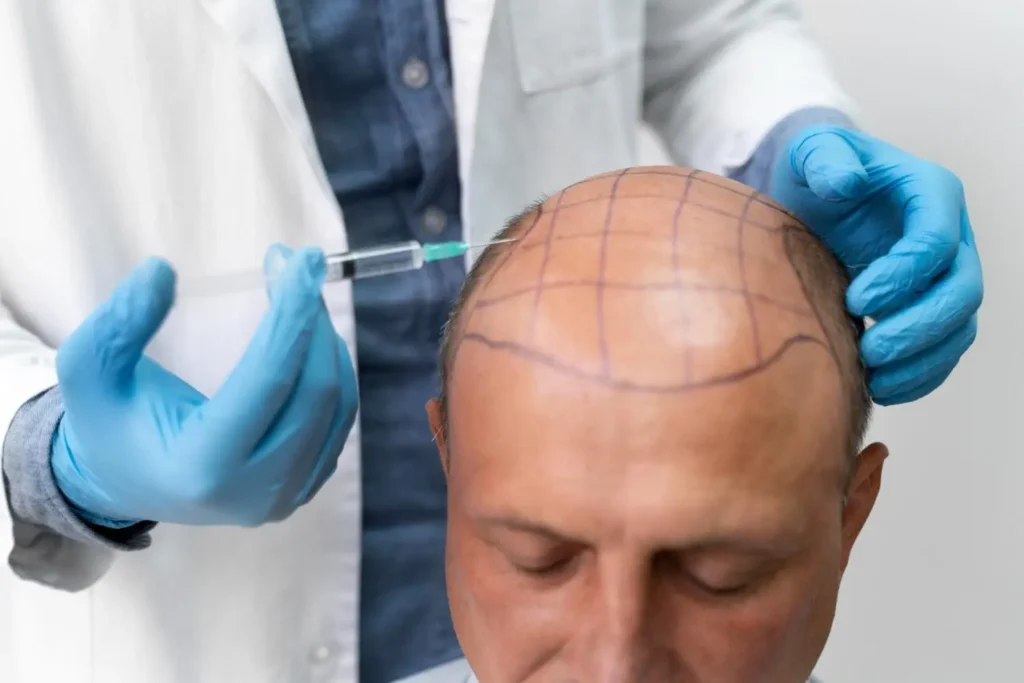
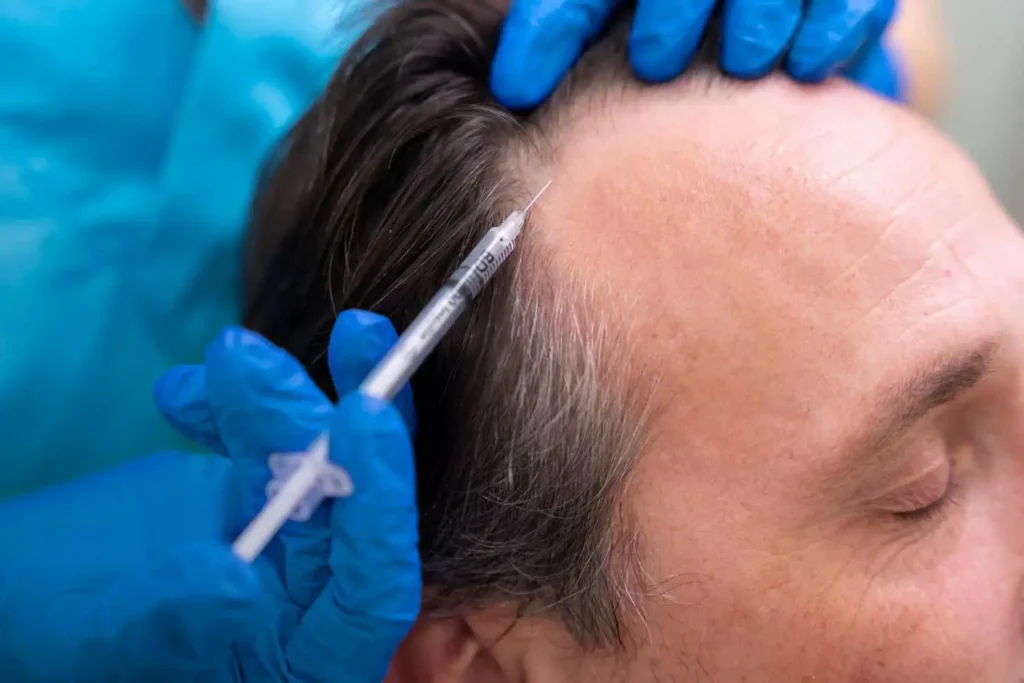
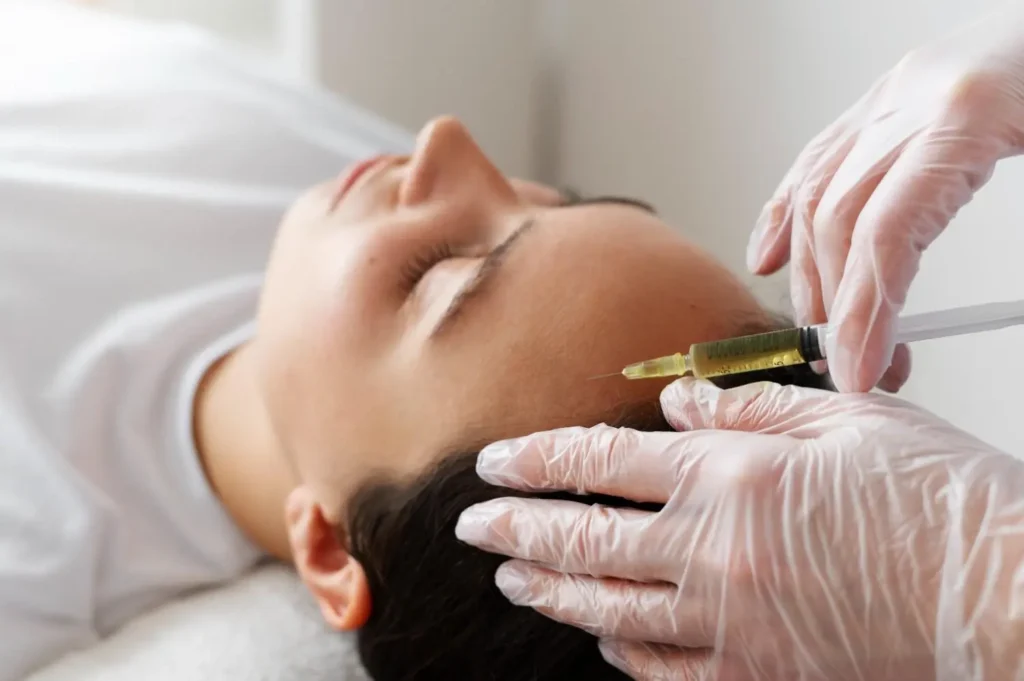
- The PRP is injected into the scalp in areas experiencing hair thinning
The growth factors in PRP help repair damaged hair follicles, improve scalp health, and stimulate new hair growth.
PRP therapy is often recommended as part of advanced hair loss treatment in Chennai, especially for people experiencing early stages of hair thinning.
Advantages of PRP Hair Treatment
1. Natural and Safe Procedure
One of the biggest advantages of PRP therapy is that it uses your own blood, which reduces the risk of allergic reactions or complications.
Since no artificial chemicals are involved, the treatment is considered safe and natural for hair restoration.
2. Stimulates Natural Hair Growth
PRP contains growth factors that activate dormant hair follicles. This improves hair thickness and encourages natural hair regrowth over time.
Patients often notice:
- Reduced hair fall
- Increased hair density
- Healthier hair texture
3. Non-Surgical Treatment
Unlike hair transplant procedures, PRP hair treatment does not require surgery.
The treatment:
- Takes about 30-45 minutes
- Requires minimal recovery time
- Allows patients to return to normal activities quickly
This makes PRP therapy a convenient option for people with busy lifestyles.
4. Improves Scalp Health
PRP therapy enhances blood circulation in the scalp and strengthens weak hair follicles.
This helps treat conditions related to hair loss, especially when combined with treatments for underlying causes such as hormonal imbalance. For example, women experiencing hormonal hair thinning may benefit from specialized treatments like Hormonal Hair Loss Treatment in Women.
Addressing the root cause of hair loss often improves the effectiveness of PRP therapy.
5. Minimal Downtime
PRP therapy involves only small injections in the scalp. Most patients experience only mild redness or swelling that subsides within a few hours.
This makes PRP a low-risk cosmetic procedure with minimal disruption to daily life.
Disadvantages of PRP Hair Treatment
While PRP therapy has several benefits, it is important to understand its limitations.
1. Multiple Sessions Required
PRP treatment is not a one-time solution. Most patients require:
- 3-4 sessions initially
- Maintenance sessions every few months
Hair regrowth takes time, so consistent treatment is necessary for visible results.
2. Results May Vary
The effectiveness of PRP therapy depends on several factors:
- Age of the patient
- Severity of hair loss
- Underlying health conditions
- Genetics
People with advanced baldness may not experience significant improvement.
3. Temporary Side Effects
Although PRP is considered safe, some patients may experience mild side effects such as:
- Scalp tenderness
- Temporary swelling
- Minor bruising
- Mild headache
These symptoms usually resolve within a short period.
4. Cost Considerations
PRP therapy involves specialized medical equipment and trained professionals. Because multiple sessions are required, the PRP hair treatment cost in Chennai may vary depending on the clinic and treatment plan.
However, many patients consider it a worthwhile investment due to the natural and non-surgical approach.
5. Not Effective for Complete Baldness
PRP works best when hair follicles are still active. If hair follicles are completely dead or damaged, the treatment may not produce noticeable results.
In such cases, doctors may recommend alternative hair restoration procedures.
Who is the Ideal Candidate for PRP Hair Treatment?
PRP therapy is most effective for individuals who:
- Are experiencing early hair thinning
- Have androgenetic alopecia (pattern hair loss)
- Want a non-surgical hair restoration option
- Have healthy hair follicles
Consulting an experienced dermatologist helps determine whether PRP therapy is the right treatment for your condition.
PRP Hair Treatment and Overall Skin Health
Hair loss is sometimes associated with other skin or hormonal issues. Treating these conditions can improve overall results.
For example, skin concerns such as pigmentation may also require professional care. If you are experiencing pigmentation problems along with hair loss, you may benefit from advanced treatments explained in this guide: Pigmentation Treatment Causes and Advanced Treatment Options
Addressing both scalp and skin health can improve confidence and overall appearance.
How Long Does PRP Hair Treatment Take to Show Results?
PRP results appear gradually as hair follicles begin to regenerate.
Typical timeline:
- 3-4 weeks – reduced hair fall
- 2-3 months – improved hair thickness
- 4-6 months – visible hair regrowth
Consistency with sessions and proper scalp care plays an important role in achieving the best results.
Conclusion
PRP therapy has become one of the most sought-after treatments for hair restoration due to its natural approach and promising results. The advantages of PRP hair treatment include safety, minimal downtime, and stimulation of natural hair growth.
However, it is also important to consider the disadvantages, such as multiple sessions, variable results, and cost factors.
If you are experiencing hair thinning or hair fall, consulting a qualified dermatologist can help determine whether PRP hair treatment is the right option for you.
With the right diagnosis and personalized treatment plan, PRP therapy can help restore healthier, thicker hair and improve overall confidence.
Frequently Asked Questions
1. Is PRP hair treatment safe?
Yes, PRP hair treatment is considered safe because it uses the patient’s own blood, reducing the risk of allergic reactions or infections.
2. How many PRP sessions are required for hair growth?
Most patients need 3-4 sessions initially, followed by maintenance sessions every 4-6 months.
3. Does PRP hair treatment really work?
PRP therapy can improve hair density and reduce hair fall, especially in people experiencing early stages of hair thinning.
4. What is the recovery time after PRP treatment?
PRP treatment requires minimal downtime, and most patients can resume normal activities the same day.
5. Is PRP better than hair transplant?
PRP therapy is non-surgical and works best for early hair loss, while hair transplants are usually recommended for advanced baldness.