Dos and Don'ts for Maintaining Healthy Hair: Your Ultimate Hair Care Guide
Introduction
Your hair is one of the first things people notice about you – and it says a lot about your overall health. Whether you’re struggling with hair fall, a dry and itchy scalp, or simply want a shinier, stronger mane, following the right healthy hair care tips can make a world of difference. In this comprehensive guide, we walk you through the essential dos and don’ts for hair care so you can build a routine that truly works for your hair type and lifestyle.
At Dew Clinic Chennai, we see patients daily who unknowingly damage their hair with common mistakes. The good news? Most hair problems are preventable with the right knowledge and consistent habits. Let’s dive in.
The Dos: Best Practices for a Healthy Hair Care Routine
1. Follow a Consistent Hair Care Routine
Consistency is the cornerstone of great hair. A structured hair care routine – washing, conditioning, oiling, and trimming on a regular schedule – keeps your strands nourished and minimises breakage. Aim to wash your hair 2-3 times a week, depending on your scalp type.
2. Use the Right Shampoo and Conditioner for Your Hair Type
Not all shampoos are created equal. Whether your scalp is oily, dry, or normal, using a product suited to your specific type is one of the most impactful hair growth tips you can follow. Look for sulphate-free formulas that cleanse gently without stripping natural oils.
3. Oil Your Scalp Regularly
Regular scalp oiling is a time-tested practice in Indian hair care. Coconut oil, castor oil, and argan oil improve blood circulation, strengthen roots, and promote hair fall prevention. Warm the oil slightly and massage it into your scalp in circular motions for best results.
4. Prioritise Scalp Health
Healthy hair starts at the roots – and that means a healthy scalp. Product buildup, dandruff, and excess sebum can clog hair follicles and stunt growth. A professional scalp detox treatment can reset your scalp environment, remove impurities, and create the ideal conditions for strong hair growth. We recommend a scalp detox at least once every few months as part of your best hair care practices.
5. Eat Foods That Nourish Hair from Within
What you eat directly impacts your hair health. Protein, biotin, iron, zinc, and vitamins A, C, and E are all critical for strong, lustrous strands. Include eggs, lentils, leafy greens, nuts, and seeds in your daily diet. For a detailed breakdown, check out our guide on foods that improve skin and hair health – small dietary changes can lead to remarkable improvements in hair texture and thickness.
6. Protect Hair Before Heat Styling
If you must use heat tools, always apply a quality heat protectant spray. This forms a barrier around the hair shaft, significantly reducing hair damage prevention concerns. Keep your styling tools at the lowest effective temperature – usually 150–180°C is sufficient for most hair types.
7. Trim Regularly to Eliminate Split Ends
Getting a trim every 6–8 weeks is one of the simplest yet most effective healthy hair care tips. Split ends travel up the shaft if left untreated, leading to further breakage. Regular trims keep hair looking neat and encourage healthier growth.
8. Sleep on a Silk or Satin Pillowcase
Cotton pillowcases create friction that weakens the hair cuticle overnight. Switching to silk or satin reduces frizz, prevents tangles, and is a surprisingly powerful upgrade to your hair care routine. It’s a small investment with noticeable results.
9. Stay Hydrated and Manage Stress
Hydration affects every cell in your body – including hair follicles. Drink at least 8 glasses of water daily. Additionally, chronic stress is a leading cause of hair fall through a condition called telogen effluvium. Yoga, meditation, and adequate sleep are all essential components of natural hair care.
The Don'ts: Common Habits That Damage Your Hair
1. Don't Overwash Your Hair
Washing hair every day strips the scalp of its natural oils, triggering more sebum production and a dry, flaky scalp. This is especially damaging if you use harsh shampoos. Following the right dos and don’ts for hair means understanding your scalp’s natural balance and working with it, not against it.
2. Don't Brush Wet Hair Aggressively
Wet hair is at its most elastic and vulnerable state. Using a fine-tooth comb or brush on soaking wet hair leads to significant breakage. Instead, gently detangle with a wide-tooth comb, starting from the ends and working upward.
3. Don't Tie Hair Too Tightly
Tight ponytails, buns, or braids put constant tension on the hairline and follicles – a condition known as traction alopecia. This is one of the most avoidable causes of hair loss. Opt for loose hairstyles and use soft fabric scrunchies rather than elastic bands.
4. Don't Skip Conditioning
Conditioner seals the hair cuticle, prevents moisture loss, and reduces tangling. Skipping it – especially after shampooing – leaves hair rough, dull, and prone to breakage. Apply conditioner from mid-length to tips, avoiding the scalp.
5. Don't Ignore Scalp Issues
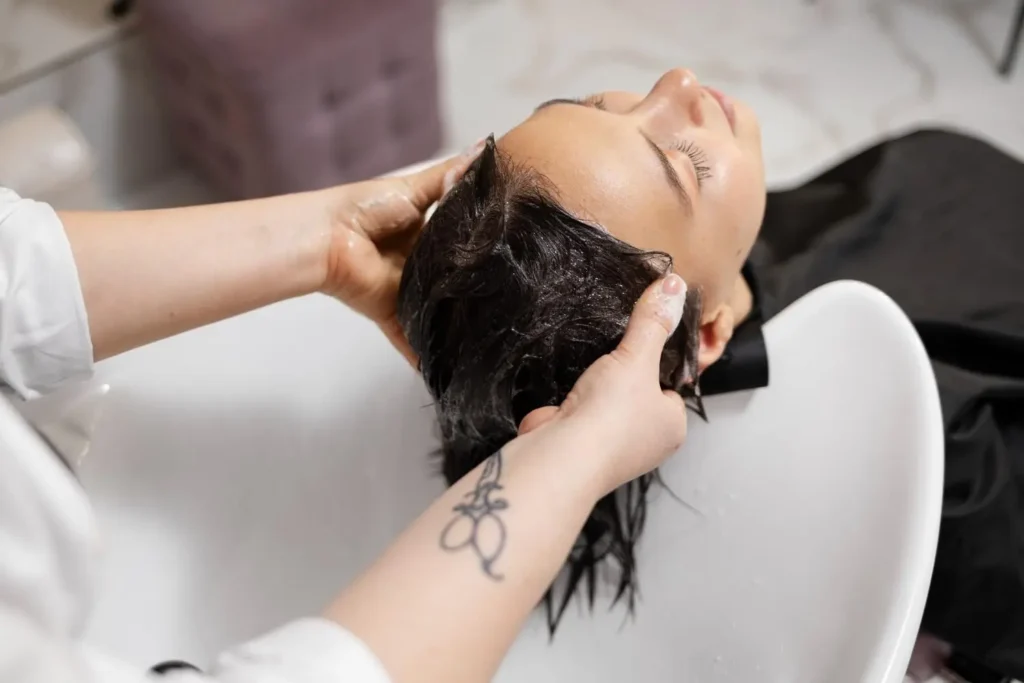
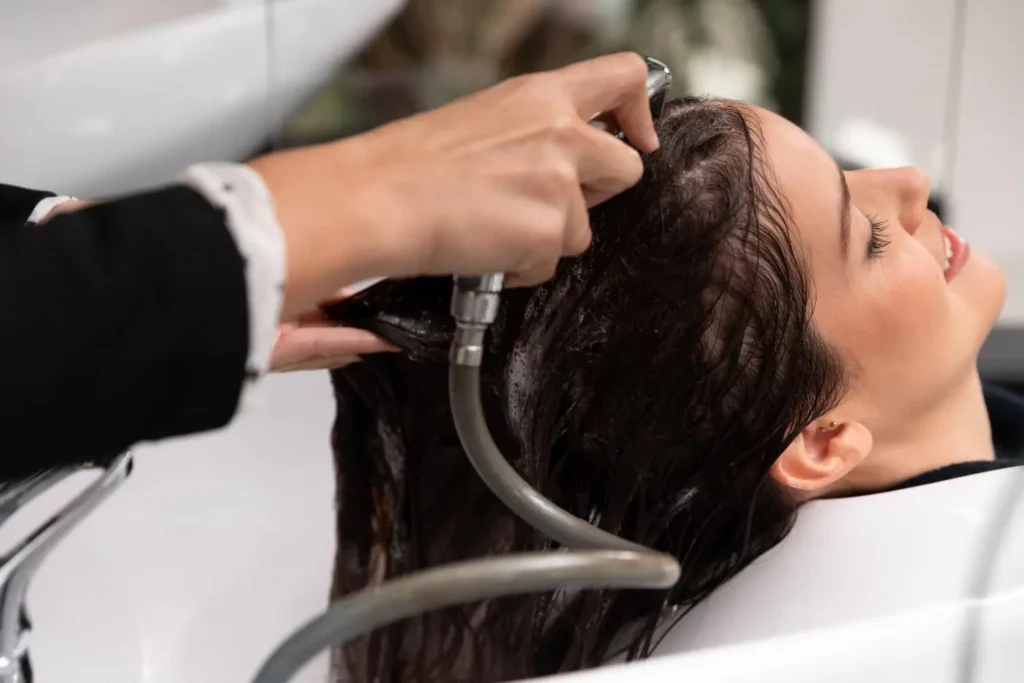
Dandruff, itching, and excessive oiliness aren’t just cosmetic concerns – they’re signs of an imbalanced scalp. Left untreated, these conditions can hinder hair growth and lead to chronic hair fall. If you notice persistent scalp problems, consult a specialist. Our scalp detox treatments are specifically designed to address these root-level concerns and restore optimal scalp health.
6. Don't Use Chemical Treatments Too Frequently
Bleaching, perming, relaxing, and colouring weaken the structural integrity of the hair shaft. If you regularly undergo chemical treatments, space them out and invest in protein-based deep conditioning masks in between sessions.
7. Don't Towel-Dry Vigorously
Rubbing your hair with a towel after washing causes the cuticle to rough up, creating frizz and breakage. Instead, gently squeeze out excess water and pat dry – or use a microfibre towel which absorbs moisture much more gently.
8. Don't Neglect Sun Protection for Your Hair
UV rays dry out the hair shaft and fade colour – whether natural or dyed. Wear a scarf or hat during extended sun exposure, or use a UV-protective hair serum, especially in Chennai’s intense climate. This is a frequently overlooked aspect of hair damage prevention.
9. Don't Follow Generic Advice Without Knowing Your Hair Type
Hair care is deeply personal. What works for someone else may not work for you. Your hair type (straight, wavy, curly, coily), porosity, and scalp condition all influence which products and routines will be most effective. When in doubt, seek professional guidance.
Quick Reference: Dos and Don'ts for Healthy Hair
DO: Wash hair 2-3x per week with a suitable shampoo
DON’T: Overwash or use harsh sulphate-heavy products
DO: Oil scalp regularly and massage gently
DON’T: Leave oil on for too long (24+ hrs) – it can attract dust and clog pores
DO: Eat protein- and vitamin-rich foods for hair growth
DON’T: Crash diet – sudden nutritional deficiencies cause rapid hair fall
DO: Get regular scalp detox treatments at a professional clinic
DON’T: Ignore scalp issues like dandruff or persistent itching
DO: Use heat protectant before styling tools
DON’T: Use heat tools daily without protection
Final Thoughts: Build a Hair Care Routine That Lasts
Achieving and maintaining healthy hair isn’t about one miracle product – it’s about building consistent, science-backed habits over time. By following these dos and don’ts for hair, eating a nutrient-dense diet, and addressing scalp concerns proactively, you set the foundation for strong, beautiful hair at every stage of life. If you are looking for expert hair treatment in Chennai, Dew Clinic offers personalised solutions backed by dermatology and trichology expertise to help you achieve the results you deserve.
Have questions about your hair health? Visit Dew Clinic Chennai for a personalised consultation with our trichology and dermatology team. Healthy hair is just one appointment away.
Frequently Asked Questions
1. What are the most important healthy hair care tips for beginners?
Start with the basics: use the right shampoo for your scalp type, condition every wash, oil weekly, and eat a balanced diet rich in protein and vitamins. Avoid daily heat styling and tight hairstyles. Consistency matters more than expensive products.
2. How often should I wash my hair for optimal scalp health?
Most people benefit from washing 2–3 times a week. Oily scalp types may need more frequent washing, while dry scalp types should wash less often. Overwashing disrupts the natural oil balance and can worsen scalp issues.
3. Can diet really improve hair fall prevention?
Absolutely. Iron deficiency, low protein intake, and lack of vitamins like D, B12, and biotin are common nutritional causes of hair fall. Including hair-healthy foods in your daily diet can significantly reduce shedding and improve hair density over time.
4. What is a scalp detox treatment and do I need one?
A scalp detox treatment deep-cleanses the scalp, removing product buildup, excess sebum, and impurities that regular shampoo can’t address. It promotes better absorption of hair care products and creates a healthier environment for hair growth. If you have persistent dandruff, hair fall, or an oily scalp, a professional scalp detox could be a game-changer.
5. Is natural hair care better than using commercial products?
Natural ingredients like coconut oil, amla, and henna have proven benefits – but modern, dermatologically tested products are formulated for targeted concerns. The best approach combines both: use gentle commercial products for cleansing and conditioning, and supplement with natural treatments for scalp nourishment.